
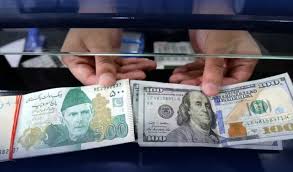
USD Dollar to PKR Today Rate in Pakistan
The USD dollar to PKR today rate in Pakistan is one of the most discussed financial topics across the country. From business owners and investors to salaried individuals and overseas Pakistanis, everyone keeps an eye on the daily movement of the US dollar against the Pakistani rupee. This exchange rate reflects the overall economic health of the country and influences prices, trade, savings, and long-term financial planning.
Understanding the USD to PKR Exchange Rate
The USD dollar to PKR today rate in Pakistan shows how many Pakistani rupees are required to buy one US dollar at the current time. This rate is determined by demand and supply in the foreign exchange market. When demand for the dollar rises, the rupee weakens, and when demand decreases, the rupee gains strength.
Pakistan relies heavily on the US dollar for international trade, foreign debt payments, and imports. Because of this dependence, even small changes in the exchange rate can have a noticeable impact on the economy.
Why the USD to PKR Rate Changes Daily
The exchange rate does not remain constant and can change daily due to various factors. Market demand, economic data, political developments, and global financial trends all contribute to fluctuations. If investors lose confidence in the local economy, demand for the dollar increases, causing the rupee to depreciate.
Similarly, positive economic news, strong exports, or higher foreign investment can help stabilize or strengthen the rupee. The USD dollar to PKR today rate in Pakistan is therefore a reflection of both domestic and international economic conditions.
Role of Inflation in Exchange Rate Movement
Inflation plays a major role in influencing the value of the Pakistani rupee. High inflation reduces purchasing power and weakens the local currency. When inflation rises faster in Pakistan compared to the United States, the USD dollar to PKR today rate in Pakistan usually increases.
Controlling inflation through monetary policy and fiscal discipline is essential for maintaining currency stability. When inflation is managed effectively, it helps build confidence in the rupee and reduces pressure on the exchange rate.
Impact of Interest Rates on USD to PKR
Interest rates set by the State Bank of Pakistan also affect the exchange rate. Higher interest rates can attract foreign investors looking for better returns, increasing the supply of foreign currency and supporting the rupee. Lower interest rates, especially during high inflation, may lead to capital outflows and a weaker rupee.
The balance between controlling inflation and supporting economic growth is crucial in managing the USD dollar to PKR today rate in Pakistan.
Importance of USD to PKR for Imports and Exports
Pakistan imports essential goods such as fuel, machinery, medicines, and raw materials. A higher USD dollar to PKR today rate in Pakistan makes imports more expensive, increasing production costs and consumer prices. This often leads to higher inflation and pressure on household budgets.
For exporters, a weaker rupee can be beneficial as Pakistani goods become cheaper in international markets. However, if exports rely heavily on imported inputs, the cost advantage may be reduced.
Effect on Daily Life and Cost of Living
The USD to PKR exchange rate has a direct impact on the daily lives of people in Pakistan. Fuel prices, electricity tariffs, transportation costs, and food prices are all influenced by the value of the dollar. When the USD dollar to PKR today rate in Pakistan rises, the cost of living often increases.
This impact is felt most strongly by middle- and lower-income households, as essential goods become more expensive. Currency stability is therefore important for maintaining social and economic balance.
USD to PKR and Foreign Debt
Pakistan’s foreign debt is largely denominated in US dollars. When the USD dollar to PKR today rate in Pakistan increases, the cost of repaying this debt rises in rupee terms. This puts additional pressure on government finances and limits spending on development projects.
Managing the exchange rate effectively helps reduce the burden of foreign debt and supports fiscal sustainability.
Role of the State Bank of Pakistan
The State Bank of Pakistan monitors currency movements and may intervene to reduce excessive volatility. While the exchange rate is market-driven, the central bank can use policy tools to maintain stability and prevent sudden shocks.
Foreign exchange reserves, interest rate decisions, and regulatory measures all play a role in influencing the USD dollar to PKR today rate in Pakistan. Strong reserves and consistent policies help build confidence in the currency.
Global Influences on USD to PKR
Global economic conditions also affect Pakistan’s exchange rate. Changes in US monetary policy, global inflation trends, oil prices, and geopolitical events can impact capital flows and investor sentiment. When the US dollar strengthens globally, emerging market currencies like the Pakistani rupee often face pressure.
External shocks such as global recessions or financial crises can also influence the USD dollar to PKR today rate in Pakistan, regardless of domestic conditions.
Importance of Remittances
Remittances from overseas Pakistanis are a major source of foreign exchange. A favorable USD to PKR rate can encourage higher remittance inflows, as senders receive more rupees per dollar. These inflows help support the balance of payments and reduce pressure on the rupee.
Consistent remittance growth plays a stabilizing role in Pakistan’s economy and supports currency management efforts.
Future Outlook of USD to PKR in Pakistan
The future trend of the USD dollar to PKR today rate in Pakistan depends on economic reforms, export performance, investment inflows, and global market conditions. Strengthening the industrial base, improving tax collection, and increasing exports can help stabilize the rupee over time.
While short-term fluctuations are inevitable, long-term stability requires sound economic policies and structural reforms. A stable exchange rate supports growth, investment, and financial confidence.
Conclusion
The USD dollar to PKR today rate in Pakistan is a key indicator of economic health and financial stability. It influences trade, inflation, government finances, and the daily cost of living. Understanding the factors behind exchange rate movements helps individuals and businesses make better financial decisions.
By focusing on economic stability, export growth, and effective policy management, Pakistan can work toward a more balanced and sustainable exchange rate that benefits the entire economy.