
In the modern corporate landscape, the bridge between talent and productivity is no longer built on paperwork—it is built on data. As businesses navigate the complexities of remote work and global scaling, TheHRWP has emerged as a frontrunner in the digital HR transformation.
By shifting from reactive administration to proactive workforce management, TheHRWP platform is not just a tool; it is a fundamental shift in how organizations value their greatest asset: their people.
1. What Is TheHRWP?
Overview of TheHRWP Platform
TheHRWP is an all-in-one, cloud-based HR platform designed to centralize the fragmented world of human resources. By consolidating payroll, recruitment, and compliance into a single interface, it provides a “single source of truth” for organizational data.
The Vision Behind TheHRWP
The core mission of thehrwp HR technology is to eliminate the “administrative tax” on HR professionals. Instead of spending 60% of their day on manual data entry, teams using thehrwp can focus on culture, strategy, and talent development.
Who Should Use TheHRWP?
While designed to scale, TheHRWP for businesses is particularly effective for:
- Growing Startups: Who need to implement structure quickly.
- Mid-to-Large Enterprises: Looking to replace legacy, siloed systems.
- Remote-First Teams: Requiring secure, digital employee lifecycle management.
2. How TheHRWP Is Redefining Human Resources Management
Moving From Traditional HR to Digital HR
The shift is simple: moving from folders to flows. How TheHRWP is redefining human resources management involves digitizing the entire employee journey. This ensures that no data is lost between a candidate’s initial application and their five-year work anniversary.
Automation and Smart Workforce Management
Through TheHRWP HR automation, repetitive tasks like holiday tracking, tax document collection, and benefit enrollment are handled by the system. This allows for smart workforce management, where managers receive alerts for high turnover risks or gaps in staffing before they become crises.
Enhancing Employee Lifecycle Management
TheHRWP employee management solution treats the employee journey as a continuous loop. By integrating feedback tools directly into the daily workflow, the platform ensures that engagement isn’t just checked once a year during an annual review.
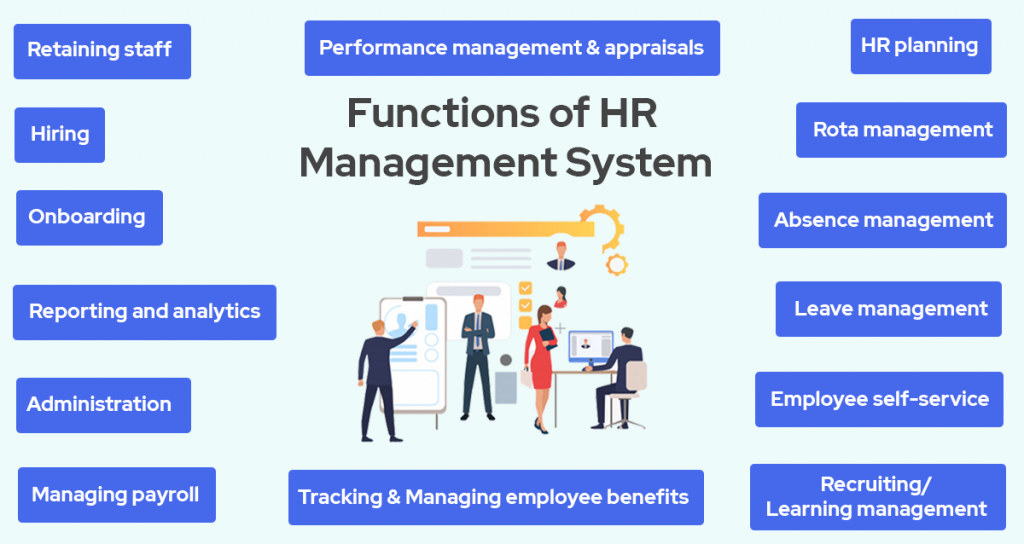
3. Key Features of TheHRWP HR Management System
Recruitment and Onboarding Tools
TheHRWP features include an integrated Applicant Tracking System (ATS). Once a candidate is hired, their data transitions instantly into the onboarding portal, reducing time-to-productivity.
Payroll Integration and Compliance
One of the biggest benefits of TheHRWP is its robust payroll integration. By syncing hours worked and leave taken directly with payroll, the system reduces human error—the leading cause of compliance fines.
Performance Management and Employee Tracking
The performance management system within TheHRWP allows for 360-degree feedback, goal setting (OKRs), and real-time coaching, moving away from the outdated “annual review” model.
HR Analytics and Reporting Dashboard
With HR analytics and reporting, leadership can view high-level metrics like:
- Cost-per-hire.
- Diversity and inclusion statistics.
- Employee turnover trends by department.
4. Core Benefits of Using TheHRWP for Businesses
- Improved HR Efficiency: Automated workflows reduce the time spent on routine inquiries.
- Reduced Administrative Work: Eliminates redundant data entry across multiple systems.
- Better Employee Engagement: Self-service portals empower employees to manage their own data and benefits.
- Data-Driven Decision Making: Move from “gut feelings” to hard data when planning for headcount.
5. TheHRWP vs. Traditional HR Systems
| Feature | Traditional HR Systems | TheHRWP HR Software |
| Data Storage | Local Servers / Paper | Secure Cloud-Based Platform |
| Process Speed | Days/Weeks (Manual) | Real-Time (Automated) |
| User Experience | Complex & Clunky | Modern & Mobile-Friendly |
| Updates | Manual / Costly | Seamless & Continuous |
Why businesses are switching to TheHRWP: Traditional systems are often “siloed,” meaning the payroll software doesn’t talk to the recruitment software. TheHRWP solves this by being a unified HR management system.
6. How TheHRWP Improves HR Efficiency and Compliance
Compliance is the “invisible” benefit of TheHRWP HR technology.
- Compliance Monitoring: The system automatically updates based on local labor laws.
- Error Reduction: Automation ensures that $100\%$ of required documents are signed and stored.
- Secure Data Management: Using bank-grade encryption to protect sensitive employee records.
7. Is TheHRWP Right for Your Organization?
TheHRWP for Small Businesses
Is TheHRWP worth it for small businesses? Absolutely. For small teams, the “HR Manager” is often the CEO or an Office Manager. TheHRWP acts as a virtual HR assistant, handling the heavy lifting of compliance and payroll.
TheHRWP for Medium and Large Enterprises
For larger firms, TheHRWP implementation guide focuses on integration. The platform scales to handle thousands of employees across different tax jurisdictions without losing performance speed.
8. How to Get Started With TheHRWP
Getting started is a structured process designed to minimize downtime:
- Discovery & Pricing: A custom quote based on your headcount and needed modules.
- Implementation: TheHRWP implementation guide provides a dedicated account manager to migrate your existing data.
- Support: 24/7 technical support and a library of training resources for your staff.
Frequently Asked Questions (FAQ)
Q: How does TheHRWP handle data security?
A: TheHRWP uses end-to-end encryption and complies with global standards like GDPR and SOC2 to ensure all employee data remains private and secure.
Q: Can I integrate my existing accounting software with TheHRWP?
A: Yes, TheHRWP features pre-built integrations for major accounting and productivity suites to ensure your ecosystem remains connected.
Q: Does TheHRWP support remote teams?
A: High-level support for remote teams is a core feature, including digital signatures, remote onboarding, and time-zone-adjusted scheduling.